Short answer: Music reaches us before explanation does. It shifts breathing, heart rate and mood — often before we have processed a single word. That is why sound has been used as a tool for inner work, rather than only for entertainment, in Sufi practice and in many other traditions.
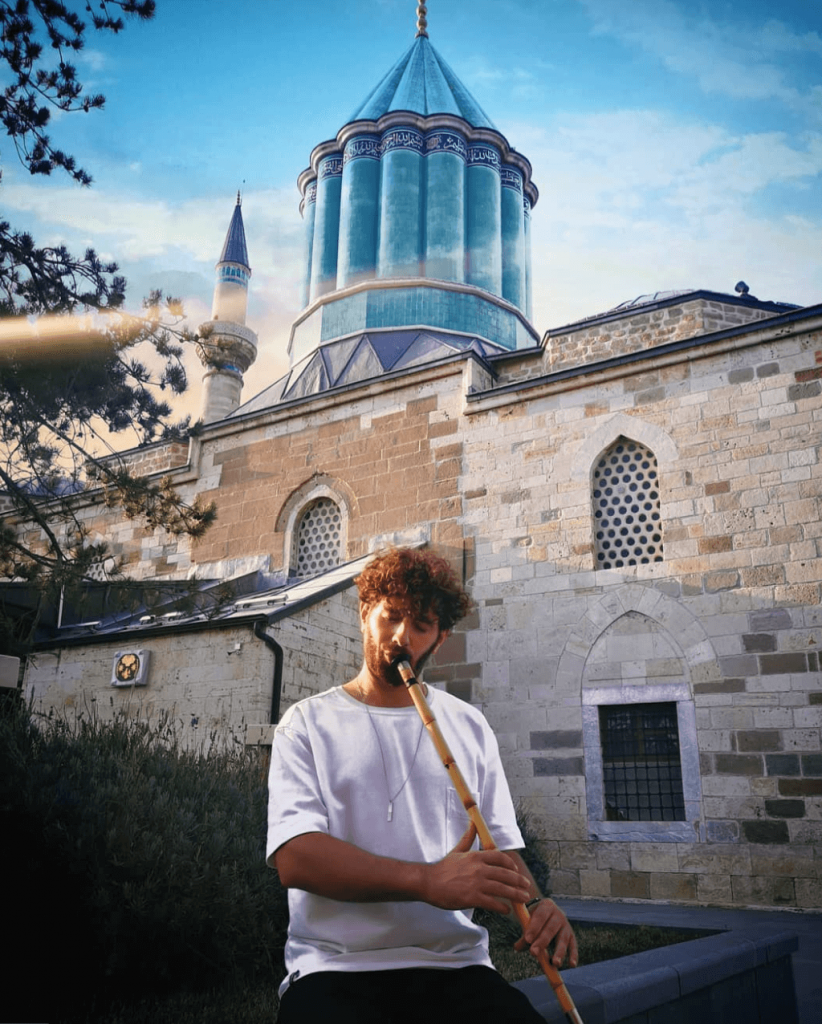
For Hakan Mengüç — a ney player and pianist as well as an author — music is not a separate career from his teaching. It is another way of approaching the same material.
You hear a melody and something shifts. You did not decide to feel it.
There is measurable physiology behind this impression. In a study published in Heart in 2006, Luciano Bernardi, Carlo Porta and Peter Sleight measured cardiovascular and respiratory responses while musicians and non-musicians listened to different styles of music. Faster tempos were associated with increases in breathing rate, heart rate and blood pressure — and the effects depended more on tempo than on musical style or personal preference.
The practical implication is worth sitting with: what you listen to repeatedly becomes part of the background state you live in.
The role of silence
The same study reported something less expected. Randomly inserted pauses produced more relaxation than the music itself — in some measures, below the resting baseline.
The silence after a piece is not empty space waiting for the next track. It appears to be where much of the effect settles.
Why the Ney Is a Symbol, Not Only an Instrument
The ney — the reed flute of Sufi music — is cut from the reed bed before it can be played. Rumi’s Masnavi famously opens with the reed’s lament for the bed it was separated from, and the image has been read for centuries as a description of the soul’s longing.
The picture is deliberate. The reed had to be cut, hollowed and pierced before it could produce a single note. Whole and untouched, it stayed silent.
We tend to read our wounds as damage. In this image, they are also what allows sound to pass through.
This is not a claim that suffering is good, and it should not be read as one. It is a narrower observation: what broke you can become the place your voice comes from, if you keep breathing through it.
Breath Is the Hidden Lesson
You cannot play the ney without changing how you breathe. Long, controlled, patient. If you are agitated, the note wavers and everyone hears it.
This is one reason Sufi breathing and other contemplative practices place so much emphasis on breath — and the connection is measurable. In a comparative study published in the BMJ in 2001, Bernardi and colleagues found that reciting the rosary in Latin and reciting yoga mantras both slowed breathing to roughly six breaths per minute, and that this was accompanied by increased heart rate variability and baroreflex sensitivity.
Two practices from different traditions, arriving at almost the same respiratory rhythm. The authors suggested such rhythmic recitation could be viewed as a health practice as well as a devotional one.
A simple version, without an instrument
Breathe out for longer than you breathe in.
Keep it to a few minutes rather than a long session.
Use it before difficult conversations, not only after them.
If you have a heart or respiratory condition, treat slow-breathing exercises as something to raise with your doctor first.
How to Listen on Purpose
Most of us use music as background noise. Used as a practice, it asks for something narrower:
Choose one piece without lyrics.
Listen without doing anything else — no phone, no second task.
Notice where it lands in your body, rather than what you think about it.
Stay for the silence afterwards. Based on the research above, that pause may be doing more work than you expect.
Ten focused minutes can reveal more about your response than hours of distracted listening.
Frequently Asked Questions
Do I need to like Sufi music for this to work?
No. Use whatever moves you. The practice is in the attention, not the genre.
Can music replace therapy or medical treatment?
No. It can support your inner life, but it is not a substitute for professional care when that is needed.
Why instrumental music specifically?
Lyrics give the mind a story to follow. Without lyrics, some listeners find it easier to notice their own physical and emotional state.
Is faster music bad for you?
Not at all — it simply does something different. The research points to tempo as an activating factor, which is useful when you want energy and unhelpful when you want to settle.
Where can I hear Hakan Mengüç’s music and teaching?
His compositions are available on major digital platforms, and his talks and camp dates are listed on the Events page.
About Hakan Mengüç
Hakan Mengüç is a Turkish author, academic, musician and modern Sufi teacher. He has written 11 books, and his works have been translated into nearly 30 languages. He teaches Sufi philosophy at Girne American University.
Short answer: It refers to the part of a person that no title, passport or bank balance can describe — how they treat others when there is nothing to gain by treating them well. In Sufi philosophy, a person’s worth is not defined by status, background, gender or language, but by character; and character is read from behaviour, not from what someone says about themselves.
This is one of the recurring emphases in what Hakan Mengüç teaches, and it is deliberately practical rather than abstract.
A Working Definition
A good heart is one that stays fair and considerate even when unfairness or indifference would cost nothing.
That is the test, and it is a demanding one. Almost anyone can be pleasant to people who are useful to them. The quality of the heart shows in situations where there is no audience and no advantage — which is precisely why it is difficult to fake for long.
What Reveals It
Four ordinary situations
How you treat people who cannot help you. The waiter, the intern, the stranger asking for directions.
What you do with someone else’s mistake. Do you use it, or do you cover it?
How you speak about people who are absent. Quiet, constant, and unusually revealing.
Whether you can admit you were wrong without turning the admission into a performance.
None of these require talent, wealth or education. That is much of the point.
Why character carries more weight than warmth
There is a useful distinction here that psychology has made more precise. In research published in the Journal of Personality and Social Psychology in 2014, Geoffrey Goodwin, Jared Piazza and Paul Rozin argued that moral character and social warmth are separable qualities — and that across a wide range of contexts, character tends to matter more than warmth when people form impressions of others.
The finding fits ordinary experience. We forgive someone for being awkward or reserved. We do not forgive dishonesty in the same way. Warmth is pleasant; character is what people actually rely on.
Charm is what someone is like in the room. Character is what they are like about you when you leave it.
Why the Heart, and Not the Mind?
The mind is an instrument, and instruments follow the direction they are given. A sharp mind serves a hard heart as efficiently as a generous one — sometimes more efficiently.
Sufi thought placed the heart at the centre for this reason: the heart sets the direction. Clarify the direction, and intelligence becomes useful. Leave it unexamined, and intelligence becomes something else entirely.
The line is not a slogan about vague agreeableness. It points to a heart spacious enough to meet difference without losing its moral centre.
Character is not what you know. It is what you do with what you know.
Can the Heart Change?
Slowly, and mainly through repetition rather than insight.
This is an old observation. Aristotle argued in the Nicomachean Ethics that we acquire virtues by exercising them — we become just by doing just acts, and temperate by acting temperately. Understanding follows practice at least as often as it leads it.
You do not become patient by understanding patience. You become patient by staying steady in one specific conversation, and then another.
A practice for this week
Choose one relationship where you tend to react badly.
Decide in advance how you want to respond, before the moment arrives.
Notice failures briefly — without a long internal speech — and return to step two.
Review at the end of the week. Look for a slight shift in your default reaction, not a transformation.
Small repeated choices shape character more reliably than large decisions do.
Frequently Asked Questions
Does a good heart mean never getting angry?
No. It means anger stays proportionate to the situation and does not turn into cruelty. Suppressing anger does not necessarily resolve its cause.
Is this a religious idea?
It comes from Sufi thought, but it functions as a standard for behaviour and can be applied regardless of belief or background.
How can I tell what state my own heart is in?
Ask the people who see you when you are tired or under pressure. Their perspective can reveal blind spots that self-assessment misses.
Isn’t judging character just judging people?
There is a difference between assessing behaviour and condemning a person. The Sufi emphasis here is inward first: the standard is meant to be applied to yourself before anyone else.
Where can I work on this in a structured way?
Hakan Mengüç holds weekend camps focused on breath, mindfulness and awareness, with applied sessions built around the DAT System (Situation–Meaning–Response). The current calendar is on the Events page.
About Hakan Mengüç
Hakan Mengüç is a Turkish author, academic, musician and modern Sufi teacher. He has written 11 books, and his works have been translated into nearly 30 languages. He teaches Sufi philosophy at Girne American University.
Six distinct Hakan Mengüç books are now documented in Albanian. Five earlier editions appear in Bukinist’s Botime Prizreni catalogue, while the 2025 publication Çdo takim ka një kuptim adds a sixth title. Together, these books show how Mengüç’s work has developed a sustained readership across Albania, Kosovo and the wider Albanian-speaking Balkans.
What shows Hakan Mengüç’s reach among Albanian readers?
Hakan Mengüç has written 11 published books, and his works have been translated into nearly 30 languages.
Six distinct Albanian-language titles can be verified through local bookseller and publisher records.
The Albanian editions include named publishers, translators, publication years and ISBN records.
The newest documented edition, Çdo takim ka një kuptim, was published in 2025 and promoted to readers through a public advertising campaign.
This is more than the translation of a single bestseller. Multiple titles released over several years indicate continuing interest in Mengüç’s stories, relationship writing and contemporary presentation of Sufi wisdom.
Which Hakan Mengüç books have been translated into Albanian?
The following six Albanian editions are currently documented. The English titles are clear renderings of the Turkish originals.
The newest Albanian edition: Çdo takim ka një kuptim
Çdo takim ka një kuptim is the Albanian edition of Her Karşılaşma Bir Mesajdır, known in English as Every Encounter Is a Message. It follows the unexpected reunion of a young dervish and a woman still carrying unresolved memories from her past. Their renewed friendship becomes a test of what they still need to learn from one another.
Albanian title:Çdo takim ka një kuptim
Original Turkish title:Her Karşılaşma Bir Mesajdır
Translator: Armela Likollari
Publisher: Prizreni
Publication year: 2025
Length: 196 pages
ISBN: 9789951925723
The edition is listed by both Bukinist and Shtëpia e Librit. The accompanying image documents the book’s public promotion at a city bus stop, showing that the Albanian edition was presented to readers beyond the bookstore shelf.
Verified publication records for earlier Albanian editions
The earlier Albanian-language record also includes edition-level evidence:
Asnjë takim nuk është i rastësishëm is credited to Hakan Mengüç by Bukinist, published by Botime Prizreni and recorded with ISBN 9789951911603.
Çdo gjë pret kohën e saj is credited to Hakan Mengüç, published by Botime Prizreni and recorded with ISBN 9789951911627.
Zemra e mirë sjell fund të lumtur was published in 2023, translated by Diana Spahia Braha and recorded with ISBN 9789951911665.
Rrugët që zbulohen gjatë udhëtimit is credited to Hakan Mengüç, published by Botime Prizreni and recorded with ISBN 9789951911689.
Sekreti për një marrëdhënie jetëgjatë was published in 2024, translated by Elona Gjika and recorded with ISBN 9789951916615.
These local records make the Albanian publishing history independently checkable through titles, translators, publishers and ISBNs.
Where can readers buy Hakan Mengüç’s Albanian books?
Readers can check the individual product links in the table above or browse Bukinist’s Botime Prizreni catalogue. Bukinist also lists a two-book Njihuni me Hakan Menguc set containing Asnjë takim nuk është i rastësishëm and Çdo gjë pret kohën e saj. The 2025 title Çdo takim ka një kuptim is also listed by Shtëpia e Librit.
Prices and stock change over time. Readers should use the linked bookseller pages to confirm current availability, delivery regions and ordering terms.
Why do Hakan Mengüç’s books connect with Albanian readers?
Universal themes: encounters, relationships, hope, loss and self-knowledge cross linguistic and cultural boundaries.
Accessible storytelling: reflective ideas are presented through contemporary stories and direct language.
A shared regional interest in Sufi culture: the Balkans have a long history of engagement with Sufi thought, poetry and music.
Continuing publication: editions released across several years show that the Albanian readership is not based on a single isolated title.
Six Albanian books within a nearly 30-language readership
Hakan Mengüç’s 11 published books have been translated into nearly 30 languages. The six Albanian editions form one of the clearest documented examples of his presence in the Balkans. His international record also includes repeated publication in Central Asia; see Hakan Mengüç’s Uzbek Books: 9 Editions and a 400,000-View Audiobook.
For a broader overview of his books, translations, music and academic work, visit Who Is Hakan Mengüç?
Frequently asked questions
How many Hakan Mengüç books have been translated into Albanian?
Six distinct Hakan Mengüç books are currently documented in Albanian. Five appear in the earlier Botime Prizreni catalogue, and Çdo takim ka një kuptim, published in 2025, is the sixth.
What is Hakan Mengüç’s newest Albanian book?
The newest documented Albanian edition is Çdo takim ka një kuptim, the translation of Her Karşılaşma Bir Mesajdır. It was published in 2025 and carries ISBN 9789951925723.
Who publishes Hakan Mengüç’s Albanian books?
The documented Albanian editions are associated with Prizreni or Botime Prizreni and are listed by local booksellers including Bukinist and Shtëpia e Librit.
Where can readers order the Albanian editions?
Readers can use the linked Bukinist and Shtëpia e Librit product pages. Availability and delivery conditions should be confirmed directly with the bookseller.
About Hakan Mengüç
Hakan Mengüç is an international author whose 11 published books have reached readers in nearly 30 languages. He is also a ney virtuoso, pianist and composer. Through books, music and contemporary interpretations of Sufi wisdom, his work connects with audiences across Europe, the Balkans, Central Asia and the Middle East.
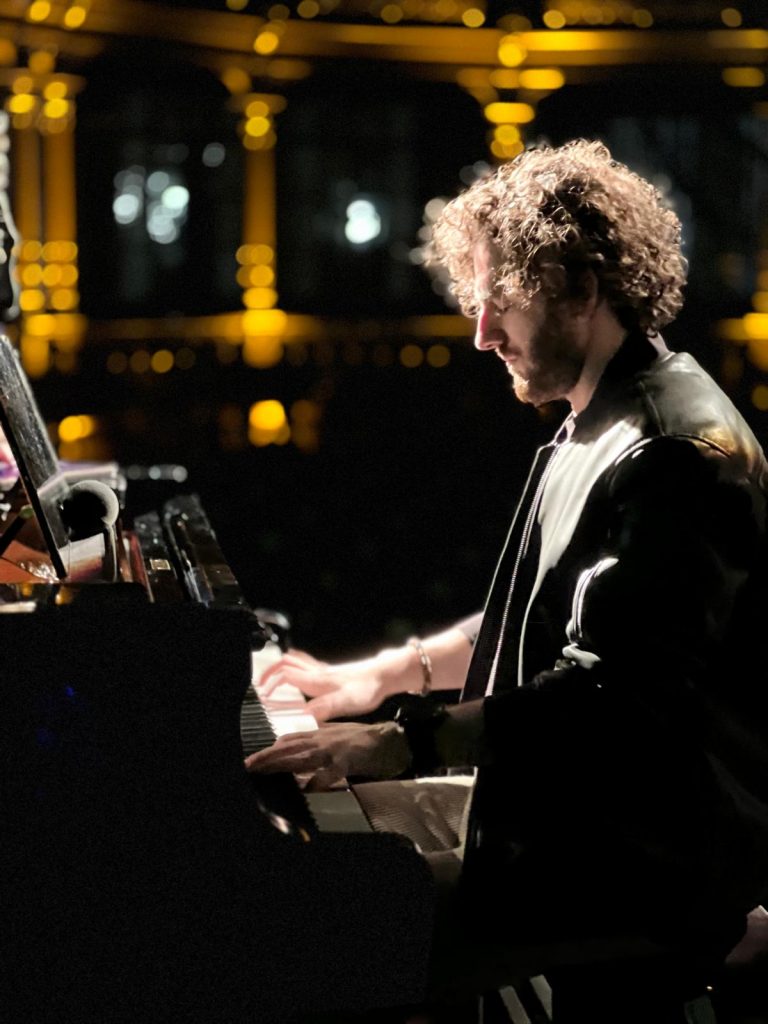
Hakan Mengüç performing his original piano compositions.
Hakan Mengüç is a Turkish pianist, composer and ney player whose European performances bring contemplative piano music, Sufi-inspired expression and intimate musical storytelling to international audiences. The concert videos below document his work at venues and cultural gatherings in Austria, Switzerland, the Netherlands and Germany, as well as a piano-and-violin collaboration and a performance of Erik Satie’s Gnossienne No. 1.
Known internationally as an author and speaker, Mengüç also has a distinct identity as a pianist and composer. His recordings are currently heard in more than 60 countries according to Spotify audience data. These live recordings offer direct evidence of that musical identity: they show him at the piano, performing for European audiences and collaborating with other musicians.
Who is Hakan Mengüç as a pianist?
Hakan Mengüç is a pianist and composer whose musical language combines simple, memorable melodies with reflective atmosphere and Sufi-inspired themes. Piano is central to his recorded work and stage performances, alongside the ney. His piano releases include the albums Özlem (Longing) and Hafifleyen Düşünceler (Thoughts Becoming Lighter). You can explore his albums and compositions in the detailed article Who Is Hakan Mengüç? Pianist, Composer and His Piano Albums.
Hakan Mengüç piano performance in Vienna, Austria
This concert recording from Vienna presents Hakan Mengüç at the piano before an Austrian audience. The performance highlights his calm, melodic approach and the intimate connection he creates between the instrument, the hall and the listener. Vienna’s place in European music history gives this appearance particular significance within his international concert journey.
Hakan Mengüç performing piano live in Vienna, Austria.
Concert moments from Zurich, Basel and Salzburg
This European concert montage brings together moments from Zurich and Basel in Switzerland and Salzburg in Austria. Across different cities and audiences, the piano remains a consistent part of Mengüç’s stage language. The footage illustrates how his reflective instrumental style travels across cultural and linguistic borders while retaining its emotional clarity.
European concert highlights featuring Hakan Mengüç in Zurich, Basel and Salzburg.
Amsterdam Sufi Center visit and piano performance
During his visit to the Sufi Center in Amsterdam, the Netherlands, Hakan Mengüç performs at the piano in a setting closely connected to the contemplative dimension of his work. The recording helps explain how his musical and philosophical paths meet: the piano is not used merely as accompaniment, but as a direct form of reflection, attention and shared experience.
Hakan Mengüç’s visit to the Amsterdam Sufi Center and piano performance in the Netherlands.
Hakan Mengüç performing “Özlem” in Augsburg, Germany
In this concert video from Augsburg, Germany, Hakan Mengüç performs music associated with Özlem (Longing). The Turkish word “özlem” describes a deep feeling of longing. Mengüç translates that emotion into a clear piano melody, allowing the composition to communicate beyond language. The performance is a concise example of his identity as both pianist and composer.
Hakan Mengüç performs “Özlem (Longing)” on piano during his Augsburg concert in Germany.
Piano and violin duet with international violinist Anna
This duet brings Hakan Mengüç together with international violinist Anna. The piano establishes the harmonic and emotional foundation while the violin adds a lyrical second voice. Their exchange reveals another side of Mengüç’s musicianship: attentive collaboration, dynamic restraint and the ability to leave space for another instrumentalist.
Hakan Mengüç and international violinist Anna perform a piano-and-violin duet.
Mini concert: Erik Satie’s “Gnossienne No. 1”
Hakan Mengüç’s interpretation of Erik Satie’s Gnossienne No. 1 places him in dialogue with a landmark of the modern piano repertoire. The work’s spacious rhythm, repeating motifs and introspective mood are naturally aligned with Mengüç’s contemplative performance style. This mini concert demonstrates that his pianist identity includes both original compositions and interpretations of established piano works.
Hakan Mengüç performs Erik Satie’s “Gnossienne No. 1” in a mini piano concert.
What do Hakan Mengüç’s European concerts reveal about his music?
A clear pianist identity: the piano is a central voice in his concerts and recorded catalog.
An international audience: performances in Austria, Switzerland, the Netherlands and Germany complement Spotify listening activity across more than 60 countries.
Original compositions and classical repertoire: the videos range from Özlem (Longing) to Satie’s Gnossienne No. 1.
Musical collaboration: the duet with violinist Anna shows his role as an attentive ensemble musician.
A contemplative approach: his piano performances share the reflective qualities associated with his Sufi-inspired work.
Frequently asked questions
Is Hakan Mengüç a pianist?
Yes. Hakan Mengüç is a pianist and composer who performs original piano music and selected works from the international piano repertoire. His European concert recordings show him performing solo and in collaboration with other musicians.
Where has Hakan Mengüç performed piano in Europe?
The recordings collected here document appearances in Vienna and Salzburg in Austria, Zurich and Basel in Switzerland, Amsterdam in the Netherlands, and Augsburg in Germany.
Which piano pieces and albums are associated with Hakan Mengüç?
His piano catalog includes Özlem (Longing) and Hafifleyen Düşünceler (Thoughts Becoming Lighter). In concert, he performs his own compositions as well as works such as Erik Satie’s Gnossienne No. 1.
Where can listeners learn more about Hakan Mengüç?
Short answer: Optimism is a general expectation that the future may turn out well. Hope accepts that the outcome is uncertain and combines a desired future with the motivation and possible paths needed to move toward it.
In everyday language, the two words are often used as if they mean the same thing. They overlap, but they are not identical. Optimism looks ahead and says, “Things may improve.” Hope looks at the present and asks, “What can I do next?”
This does not mean hope is always good and optimism is always weak. Both can be valuable. The practical difference is that hope contains an element of participation: it gives you a reason to act even when you cannot guarantee the result.
What is optimism?
Optimism is the tendency to expect favorable possibilities in the future. It can make uncertainty feel more manageable and help a person imagine that a difficult period will not last forever.
Healthy optimism does not have to ignore reality. It may simply mean believing that improvement is possible. Optimism becomes fragile only when it turns into a promise that everything will work out exactly as planned.
What is hope?
Hope is not only a pleasant feeling. It can also be understood as a way of thinking and responding. A hopeful person can see the difficulty clearly, identify what still matters, and take a constructive step without pretending to know the final outcome.
Hope means recognizing reality, seeing that a meaningful possibility remains, and choosing an action that moves toward it.
Hakan Mengüç often presents hope as something active rather than passive. It is not waiting for the weather to change. It is learning how to walk responsibly in the rain.
What psychology says about hope and optimism
Psychology contains several models of hope, so no single definition explains every experience. One influential approach is Snyder’s hope theory, which describes hope through two connected elements: agency, the motivation to pursue a goal, and pathways, the ability to identify possible routes toward it.
A recent meta-analytic review describes hope as related to, but distinct from, optimism. Both involve positive expectations, while hope places additional emphasis on motivation and on finding ways forward. This research does not make hope a guarantee of success; it helps explain why hope is closely connected to purposeful action.
Why optimism may not be enough on its own
If optimism depends entirely on one expected result, it can collapse when that result does not happen. You may feel that your confidence misled you.
Hope can remain available because it is not only a prediction. When one path closes, hope asks whether another path exists. When an outcome cannot be changed, hope may shift toward how you carry the experience, whom you ask for help, and which value guides your response.
Optimism and hope can also work together. Optimism can help you imagine a better future; hope can help you take part in building it.
A simple example: losing a job
Imagine that someone has lost a job. An optimistic response might be: “Do not worry; something better will come.” The intention is kind, but the sentence may leave little room for grief, fear, or uncertainty.
A hopeful response might be: “This is a real loss. You do not have to pretend otherwise. What is one useful step you can take this week?”
The hopeful response respects the pain and still points toward action. It does not promise a particular outcome. It restores a small area of choice.
Four signs that you are practicing active hope
You can name the problem honestly. Hope does not require you to make the situation look smaller than it is.
You can identify a next step. The action may be modest, but it is specific enough to begin.
You can change the path without abandoning the value. When one plan fails, you look for another responsible route.
You are willing to seek support. Asking for help can be an expression of agency, not a failure of it.
How to build hope when you do not feel hopeful
Describe the situation accurately. Write it down without softening it and without making it more catastrophic.
Separate what you can influence from what you cannot control. Give your attention to the first group.
Choose one meaningful goal. Make it small enough to guide today’s behavior.
Create more than one path. If the first plan is blocked, identify a second route or someone who can help you find one.
Take one action and review it. Hope grows through repeated engagement, not through waiting for perfect motivation.
You do not have to carry every difficulty alone. Speaking with a trusted person or seeking appropriate professional support may be the most hopeful next step available.
A Sufi perspective on hope
In a Sufi approach, hope is closely connected to responsibility, patience, and meaningful action. It does not ask you to deny the darkness. It asks what kind of light you can bring into it.
A familiar metaphor expresses this simply: light a candle instead of cursing the darkness. The candle does not remove the whole night at once. It changes what becomes possible in the next step.
This perspective is also connected to the way we interpret difficult experiences and the lessons carried by meaningful encounters. Hope does not erase what happened; it helps transform awareness into a response.
Frequently asked questions
Can you have hope without optimism?
Yes. You may believe that a situation will remain difficult and still identify a meaningful goal, a possible path, or a responsible way to respond.
Is hope just positive thinking?
No. Positive thinking can focus mainly on changing how a situation is described. Hope can acknowledge painful facts while asking what action, support, or alternative path remains available.
Is optimism useful?
Yes. Realistic optimism can make it easier to imagine improvement and persist through uncertainty. The problem is not optimism itself, but using it to dismiss evidence, pain, or practical preparation.
Does hope guarantee a good outcome?
No. Hope influences how you engage with a situation; it does not control every result. Its value lies in supporting purposeful action under uncertainty.
What if the situation has no clear solution?
Hope may shift from changing the outcome to choosing how you carry the experience, what support you seek, and which values guide your next decision.
About Hakan Mengüç
Hakan Mengüç is an author, academic, musician, and modern Sufi teacher. He has published 11 books, and his works have been translated into nearly 30 languages.
Explore Hakan Mengüç’s upcoming events, seminars, talks, music performances, and international appearances.
Hakan Mengüç’s books have been translated into nearly 30 languages. Uzbekistan offers one of the clearest examples of that international reach: nine Uzbek editions drawn from his 11 published works are now available, and the Uzbek audiobook of No Encounter Is by Chance has been viewed more than 400,000 times on YouTube.
What shows Hakan Mengüç’s international reach as an author?
His 11 published books have been translated into nearly 30 languages.
Nine Uzbek editions have been released, covering eight distinct titles; No Encounter Is by Chance was issued in both Cyrillic and Latin scripts.
The Uzbek editions are published in Uzbekistan by Zukko Kitobxon.
The Uzbek audiobook of No Encounter Is by Chance, narrated by Baxtiyor Mo’minov, has surpassed 400,000 views on YouTube.
Together, these facts show more than the export of a single title. They point to a sustained readership, repeated publishing activity and measurable audience engagement in another language and country.
Which Hakan Mengüç books have been published in Uzbek?
Zukko Kitobxon has published the following Uzbek editions. The English titles below are provided as clear renderings of the Turkish originals.
Uzbek title
English rendering of the original title
Ҳеч бир учрашув тасодиф эмас / Hech bir uchrashuv tasodif emas
No Encounter Is by Chance
Қалбингиз соф бўлса, ҳикоянгиз бахтли якунланар
If Your Heart Is Pure, Your Story Will End Happily
Мен найман
I Am the Ney
Бир истагингиз рўёбга чиқса, бир хайр — рўёбга чиқмаса, минг хайр изланг
If Your Wish Comes True, Seek One Blessing; If Not, Seek a Thousand
Кетсаммикан ёки қолсаммикан
Should I Go or Should I Stay?
Йўлга чиқсангиз манзил кўринади
Set Out, and the Way Will Appear
Бахтни сиздан кўрган — мезбон, қолгани меҳмон
Whoever Finds Happiness in You Is Yours; the Rest Are Guests
Барқарор муносабатлар сири
The Secret of Long-Lasting Relationships
No Encounter Is by Chance also received a second Uzbek edition in the Latin alphabet, bringing the total number of Uzbek editions to nine.
A reader with the Uzbek edition of Hakan Mengüç’s No Encounter Is by Chance.
Publication details for the Uzbek edition
Uzbek title:Hech bir uchrashuv tasodif emas
Original Turkish title:Hiçbir Karşılaşma Tesadüf Değildir
Translators: Zarina Tojiyeva and Ergashboy Matyoqubov
Publisher: Zukko Kitobxon
Publication year: 2022
Length: 224 pages
ISBN: 978-9943-8021-2-4
The book is listed for sale in Uzbekistan through Asaxiy. The publication record, local publisher, named translators and ISBN provide verifiable evidence of the book’s Uzbek-language release.
The Uzbek audiobook has reached more than 400,000 views
Baxtiyor Mo’minov narrated the Uzbek audiobook at the request of Zukko Kitobxon. Published on YouTube, the complete recording has received more than 400,000 views, making it one of Mengüç’s most widely heard international-language releases.
When a book is not only translated but also listened to in another language, it shows that the work has found an audience of its own.
What is No Encounter Is by Chance about?
The novel follows a young Sufi seeker and a confused young woman on a seven-day journey. They travel without money, food, spare clothes or a plan. By the time they return to where they began, neither of them is the same.
At the heart of the story is a simple question: Can a person truly change in only seven days? Rather than offering a direct answer, the book explores the question through the people the travellers meet. Each encounter reveals something the protagonists had not yet recognized in themselves.
The title expresses the book’s central idea: the people and events that enter our lives are not meaningless accidents; each encounter can become a mirror through which we understand ourselves more deeply. The story draws on Sufi thought but presents it in accessible, contemporary language. The journey is ultimately not toward a place, but toward self-knowledge.
Why do Hakan Mengüç’s books connect with readers across cultures?
Universal themes: journeys, encounters, uncertainty, letting go and self-discovery can be understood in any country.
Clear, accessible language: short and direct sentences help meaning travel across translation and make the books well suited to audio narration.
A shared Sufi heritage: Uzbekistan is one of the historic centres of Sufi culture. Mengüç’s modern presentation of Sufi ideas therefore meets readers on familiar cultural ground while remaining accessible to newcomers.
Nearly 30 languages: Uzbek is one part of a wider international readership
Hakan Mengüç’s 11 published works have been translated into nearly 30 languages, including European languages such as English and German as well as languages spoken across Central Asia and the Balkans. Uzbek stands out because both the depth of the publishing programme and the scale of audience response can be measured: multiple editions, a local publisher, a retail listing and an audiobook with more than 400,000 views.
His international presence also extends beyond books. Mengüç is a ney virtuoso and pianist whose compositions are streamed in more than 60 countries through digital platforms.
How many languages have Hakan Mengüç’s books been translated into?
His 11 published works have been translated into nearly 30 languages. Uzbekistan is one of the strongest examples of this international reach, with nine editions covering eight titles.
How many Hakan Mengüç books are available in Uzbek?
Nine Uzbek editions have been published from his 11-book bibliography. They cover eight distinct titles because No Encounter Is by Chance was published in both Cyrillic and Latin scripts.
Who narrated the Uzbek audiobook?
Baxtiyor Mo’minov narrated the Uzbek audiobook at the request of Zukko Kitobxon. The recording was released on YouTube and has received more than 400,000 views.
Do readers need to know Sufism before reading the book?
No. The book unfolds as a story, and its Sufi ideas are conveyed through events and encounters rather than specialist terminology. It can be read simply as a journey of personal transformation.
About Hakan Mengüç
Hakan Mengüç is an international author whose 11 published books have reached readers in nearly 30 languages. He is also a ney virtuoso, pianist and composer, and his music is streamed in more than 60 countries. Through books, music and contemporary interpretations of Sufi wisdom, his work connects with audiences across Europe, Central Asia, the Balkans and beyond.
Hakan Mengüç is a pianist, composer, ney player and author whose music brings contemporary instrumental expression together with Sufi-inspired contemplation. His original piano compositions are available on Spotify, Apple Music and other major streaming platforms. According to current Spotify data, his music is listened to in more than 60 countries.
Pianist and composer Hakan Mengüç at a grand piano.
Is Hakan Mengüç a pianist?
Yes. Hakan Mengüç is a pianist and composer. Although many people also know him through his books, Sufi teachings and performances on the ney, the piano is one of the central instruments in his artistic life. He composes, records and performs his own piano music. His work is distinguished by clear melodies, emotional restraint, silence and an atmosphere of inward reflection.
Hakan Mengüç’s identity as a pianist is documented not only by live performances but also by a growing recorded repertoire. The piano-focused releases Özlem (Piyano Bestelerim) and Hafifleyen Düşünceler establish him as both a performing pianist and a composer of contemporary instrumental music.
Hakan Mengüç performing at the piano during a live concert.
What defines Hakan Mengüç’s piano music?
Simple, memorable and emotionally direct melodies
A calm atmosphere that supports reflection and mindfulness
A meeting point between contemporary instrumental music and Eastern spiritual sensibility
Arrangements in which silence and space are part of the musical language
Wordless compositions suited to reading, studying, resting and meditation
His piano music cannot be confined to a single genre. Listeners of contemporary instrumental music, neoclassical piano, minimal piano and meditation music can all find points of connection in these compositions. The purpose is not technical display; it is to communicate an inner state with clarity and restraint.
Özlem (Piyano Bestelerim): Hakan Mengüç’s 2023 piano EP
Özlem (Piyano Bestelerim) is a five-track piano EP released by Hakan Mengüç on 1 December 2023. Running for approximately 12 minutes, it brings together piano interpretations of several of his best-known melodies.
Gönül (Heart) — Piano Version
Gece (Night) — Piano Version
Özlem (Longing) — Piano Version
Aşk (Love) — Piano Version
Gün Batımı (Sunset) — Piano Version
The title track, Özlem, creates an intimate emotional space with very few notes. The piano versions of Gönül and Aşk reveal the melodic foundation of Mengüç’s compositions in their most direct form. The EP can be heard on Apple Music and through Hakan Mengüç’s Spotify catalogue.
Hakan Mengüç’s piano compositions are available on Spotify and Apple Music.
Hafifleyen Düşünceler: an album of 19 piano compositions
Hafifleyen Düşünceler is Hakan Mengüç’s 19-track piano album, released on 9 January 2026. The approximately 56-minute work explores mental stillness, acceptance, silence, spaciousness and presence through wordless music. Its Turkish title can be understood as “Thoughts Becoming Lighter.”
Açılacak Olan Kapı (The Door That Will Open)
Aklın Uykusu (The Sleep of the Mind)
Anın Neşesi (Joy of the Moment)
Boşluk (Emptiness)
Dönen An (The Turning Moment)
Düşüncesiz Bakış (Thoughtless Gaze)
Eşikler (Thresholds)
Hafifleyen Düşünceler (Thoughts Becoming Lighter)
Hal (State of Being)
Hiçlik Yolu (The Path of Nothingness)
Sade Denge (Simple Balance)
Sakince Açılan (Gently Unfolding)
Sessiz Bir Oda (A Silent Room)
Sükut ve Kabul (Silence and Acceptance)
Tanıksız An (An Unwitnessed Moment)
Yalın Varlık (Simple Being)
Yavaş Kabul (Slow Acceptance)
Yürümeye Devam (Keep Walking)
Zaman Dururken (While Time Stands Still)
The track names reveal the album’s contemplative direction. Pieces such as Düşüncesiz Bakış, Sade Denge, Sessiz Bir Oda and Zaman Dururken form part of a continuous listening experience designed to create distance from noise, speed and mental overload.
Essential piano pieces by Hakan Mengüç
Özlem (Piano Version): A restrained piano piece centred on the feeling of longing.
Gönül (Piano Version): A wordless piano interpretation of one of Mengüç’s recognised melodies.
Aşk (Piano Version): A calm, inward-looking treatment of the theme of love.
Düşüncesiz Bakış: A composition associated with mental quiet and attentive awareness.
Sade Denge: A minimal piece that creates a gentle sense of balance.
Hafifleyen Düşünceler: The title track and conceptual centre of the 2026 album.
Sessiz Bir Oda: A short piano composition focused on silence and inner space.
Hakan Mengüç performing his original piano compositions.
In how many countries is Hakan Mengüç’s music heard?
According to current Spotify data, Hakan Mengüç’s music is listened to in more than 60 countries. This international reach also reflects the ability of instrumental piano music to cross linguistic boundaries. His compositions accompany listeners from different cultures during moments of rest, concentration, reading, meditation and personal reflection.
Hakan Mengüç’s recordings are available on his official Spotify artist page, Apple Music and other major digital music platforms.
The place of Sufi thought in Hakan Mengüç’s piano music
In Hakan Mengüç’s musical world, the piano and the ney are not separate identities. The ney carries the sound of breath and a centuries-old Sufi tradition, while the piano offers a contemporary, universal and polyphonic means of expression. Mengüç brings these musical worlds together through themes of stillness, awareness and the human journey inward.
For this reason, his piano works can be understood as more than simply relaxing music. They are instrumental compositions that create space between thought and silence. His identity as a pianist complements his work as an author and ney player, expressing the same search for meaning through a different musical language.
Frequently asked questions
Which instruments does Hakan Mengüç play?
Hakan Mengüç plays the piano and the ney. He also composes and releases his own instrumental music.
What are Hakan Mengüç’s piano albums?
His principal piano releases are the 2023 EP Özlem (Piyano Bestelerim) and the 19-track 2026 album Hafifleyen Düşünceler.
Where can I listen to Hakan Mengüç’s piano music?
His piano music is available under the artist name “Hakan Menguc” on Spotify, Apple Music and other major streaming services.
How many tracks are on Hafifleyen Düşünceler?
Hafifleyen Düşünceler contains 19 piano compositions and runs for approximately 56 minutes.
How many countries listen to Hakan Mengüç’s music?
According to current Spotify data, Hakan Mengüç’s music is listened to in more than 60 countries.
Short answer: From a Sufi perspective, coincidences can be understood as meaningful encounters rather than purely random events. This view does not deny free will; it invites us to consider what each experience may teach us.
Some people enter your life for years; others appear for only a few minutes. A conversation, a loss, a book handed to you at the right moment, or even a difficult relationship can change your direction. You may not recognize the meaning of the encounter when it happens. Often, its significance becomes clear only later.
What does “no coincidence” actually mean?
“No coincidence” does not have to mean that every detail of life has already been written or that human choice is meaningless. It can be understood as a practical philosophy of attention: every meeting may offer information, reflection, or a lesson that you could not have received in the same way alone.
Every encounter is an opportunity to notice something about yourself, another person, or the direction of your life.
Some people teach patience. Some reveal your boundaries. Some show you a possibility you had never considered. Others help you recognize what you no longer want to repeat. The lesson is not always pleasant, but it can still be valuable.
Coincidence, meaning, and free will in Sufi thought
Sufi teachings often encourage careful attention to what an experience awakens within a person. In this interpretation, searching for meaning is not passive fatalism. You still choose how to respond, whether to stay or leave, and what to do with what you have learned.
This is also an important distinction: seeing meaning in an encounter is a reflective practice, not a scientific claim that random events never occur. Its value lies in the question it creates: What can I learn from this experience, and how should I respond responsibly?
The idea is central to Hakan Mengüç’s book No Encounter Is a Coincidence and to his broader approach to Sufi philosophy, psychology, relationships, and inner transformation.
Three kinds of people who enter your life
The people who open a door. A short conversation, a recommendation, or one sentence at the right time introduces a possibility you had not seen before.
The people who hold up a mirror. Their behavior creates a strong reaction in you. With honest reflection, that reaction may reveal a fear, expectation, wound, or habit that needs attention.
The people who leave. Their absence can expose what you valued, neglected, or took for granted. Loss may become a teacher, even when it remains painful.
A person may belong to more than one of these groups. The purpose of this framework is not to label people permanently, but to examine what an encounter has brought into your awareness.
Why this way of thinking can help
When you treat every difficult experience as meaningless, you may remain focused only on what happened to you. Looking for a lesson shifts the question from “Why did this happen to me?” to “What is this showing me, and what can I do now?”
That change does not erase pain or excuse another person’s behavior. It simply returns some agency to you. A painful encounter can help you establish a boundary. A disappointment can clarify your values. A goodbye can reveal where your attention truly belongs.
How to practice this perspective
Think of one person you met during the last year who changed something in you.
Write down what the encounter taught you, including any lesson that was uncomfortable or painful.
Separate the lesson from the person. You can learn from someone without approving of their behavior.
Think of someone you currently find difficult. Ask what the situation may be showing you about your boundaries, expectations, or reactions.
Choose one responsible action: communicate clearly, set a limit, express gratitude, apologize, or leave when staying is harmful.
You do not need to force meaning immediately. Curiosity is enough. Some encounters become understandable only after time has passed.
Frequently asked questions
Does coincidence exist in Sufism?
There is no single interpretation shared by every Sufi school or teacher. A common reflective approach is to view encounters as potentially meaningful and to consider what they awaken, reveal, or teach.
Is “no coincidence” the same as believing in fate?
No. Finding meaning in an encounter does not remove free will. You remain responsible for your choices, actions, boundaries, and response to what happens.
Should I stay in a harmful relationship because it was “meant to be”?
No. The lesson may be recognizing the harm, seeking support, setting firm boundaries, and leaving safely. Meaning never requires accepting abuse or remaining in danger.
Is this a religious idea?
The perspective is associated with Sufi thought, but it can also be used as a philosophy of attention and self-reflection. You do not need to follow a particular belief system to ask what an experience can teach you.
What if I cannot see the lesson?
Do not force an explanation. Some experiences need time, and some may never produce a simple answer. Focus first on safety, honesty, and the next constructive action available to you.
About Hakan Mengüç
Hakan Mengüç is an author, academic, musician, and modern Sufi teacher. He has published 11 books, and his works have been translated into nearly 30 languages.
Explore Hakan Mengüç’s upcoming events, seminars, talks, music performances, and international appearances.
Editorial note: This biography is maintained on Hakan Mengüç’s website and is updated when information about his books, education, academic work, music, and international activities changes. Last updated: August 9, 2026.
Who Is Hakan Mengüç?
Hakan Mengüç is a Turkish author, academic, composer, ney player, pianist, and educator known for his work in Sufi philosophy, Eastern philosophy, meditation, mindfulness, personal development, and inner transformation.
He has written 11 books, and his works have been translated into nearly 30 languages, with further translations still in progress. His books have reached readers in many countries and have appeared on bestseller lists in countries including Turkiye, Iran, Azerbaijan, Albania, Bulgaria, Kyrgyzstan, and Uzbekistan.
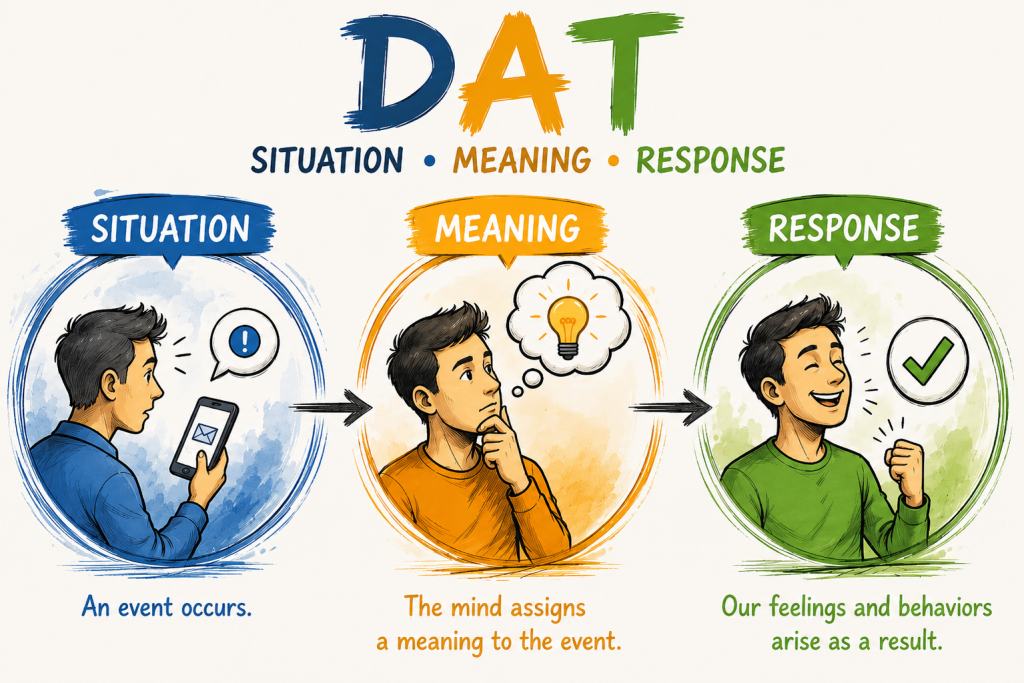
Hakan Mengüç is also known for combining traditional Sufi teachings with modern psychology, meditation, breathing practices, and practical personal development methods. He developed the DAT System, a model designed to help people understand how the meanings they assign to events influence their emotional and behavioral responses.
In addition to his writing career, Hakan Mengüç is an academic and musician. He teaches subjects related to Sufi philosophy and Eastern philosophy at Girne American University. He also teaches Creative Writing in English at Akademie der Kreativen Bildung in Berlin, Germany.
As a musician, he has played the ney for more than 20 years and began playing the piano at the age of 14. He has composed more than 100 original works, including well-known pieces such as “Aşk,” “Gönül,” “Rüya Gibi,” and “Gün Batımı.”
Through his books, seminars, podcasts, international training programs, meditation sessions, and monthly retreats, Hakan Mengüç has reached millions of people in Türkiye and around the world.
Hakan Mengüç at a Glance
Information
Details
Full name
Hakan Mengüç
Profession
Author, academic, composer, ney player, pianist, and educator
Date of birth
December 25
Place of birth
Bursa, Türkiye
Current city
Istanbul, Türkiye
Education
Studied psychology and music
Number of books
11
First book
Ben Ney’im
Most widely read book
Hiçbir Karşılaşma Tesadüf Değildir
Languages
His works have been translated into nearly 30 languages
Academic institutions
Girne American University and Akademie der Kreativen Bildung
Teaching fields
Sufi philosophy, Eastern philosophy, meditation, writing, and personal development
Instruments
Ney and piano
Original compositions
More than 100
Developed model
DAT System
Official website
hakanmenguc.org
Early Life and Background
Hakan Mengüç was born on December 25 in Bursa, Türkiye, a city widely known for its spiritual, historical, and cultural heritage.
Growing up in Bursa played an important role in shaping his interest in Sufi philosophy, music, literature, and the search for meaning. The city has long been associated with Ottoman culture, traditional music, religious scholarship, and Sufi thought. This cultural environment contributed to the development of Mengüç’s artistic and philosophical perspective.
From an early age, he developed a strong interest in music and writing. He began playing the piano at the age of 14 and later devoted himself to learning the ney, one of the most symbolic instruments in Sufi culture.
The sound of the ney became an important part of his artistic identity. In Sufi literature, the ney is often understood as a symbol of separation, longing, spiritual awakening, and the human search for unity. Mengüç later brought these themes into his books, musical compositions, lectures, and meditation practices.
He has played the ney for more than 20 years and has combined music with storytelling, meditation, philosophy, and personal development throughout his career.
Education and Academic Career
Hakan Mengüç studied psychology and music. Separately, he attended Bursa Uludağ University. His academic and intellectual interests developed around Eastern philosophy, Sufi philosophy, creative writing, psychology, meditation, and human transformation.
He later became involved in academic teaching and institutional work in these fields.
Hakan Mengüç serves as the President of the Sufi Academy at Girne American University. He also teaches courses related to Eastern philosophy and Sufi philosophy at the university.
His academic work focuses on presenting traditional philosophical and spiritual teachings in a language that can be understood and applied by modern audiences. Rather than treating Sufi philosophy only as a historical or theoretical subject, he explains how its principles can be used in everyday life, relationships, emotional regulation, self-awareness, and the search for meaning.
Hakan Mengüç also teaches Creative Writing in English at Akademie der Kreativen Bildung in Berlin, Germany.
His creative writing courses explore subjects such as storytelling, emotional depth, narrative structure, personal expression, meaning, imagination, and the relationship between lived experience and written language.
Through his academic work, Hakan Mengüç brings together several fields:
Sufi philosophy
Eastern philosophy
Creative writing
Meditation
Mindfulness
Psychology
Personal development
Music and artistic expression
His interdisciplinary approach allows him to connect traditional knowledge with the psychological and emotional challenges of contemporary life.
International Speaking Engagements
Beyond his books and academic work, Hakan Mengüç has been invited to speak at international conferences, universities, and educational institutions across Europe.
As a TEDx speaker, he has presented talks on Sufi philosophy, personal growth, and inner transformation to diverse audiences.
He has also delivered seminars and lectures at several universities and institutions in Europe, including Windesheim University and Vrije Universiteit Amsterdam in the Netherlands, as well as the University of Southern Denmark. Through these events, he has introduced contemporary perspectives on Sufi philosophy, meditation, mindfulness, and personal development to international audiences.
In addition to his university lectures, Hakan Mengüç has conducted seminars, workshops, and educational programs in more than 20 countries, while participants from over 100 countries have joined his online courses and digital training programs.
What Does Hakan Mengüç Do?
Hakan Mengüç works in several interconnected fields. He is an author, academic, composer, musician, educator, podcast creator, and retreat leader.
His work primarily focuses on helping people understand themselves, regulate their emotions, find meaning, develop awareness, and create a more balanced inner life.
His main areas of work include:
Writing
Hakan Mengüç has written 11 books. His books explore Sufism, personal development, psychology, relationships, inner peace, awareness, emotional transformation, and the search for meaning.
Academic Teaching
He teaches Sufi philosophy and Eastern philosophy at Girne American University. He also teaches Creative Writing in English at Akademie der Kreativen Bildung in Berlin.
Music
He plays the ney and piano and has composed more than 100 original works. His musical pieces often reflect themes of peace, longing, contemplation, spirituality, and inner awareness.
Meditation and Retreats
Hakan Mengüç organizes monthly retreats that include meditation, breathing practices, mindful walking, silence, music, reflection, and teachings inspired by Sufi philosophy.
Podcasting
His podcast episodes focus on personal development, Sufi philosophy, meditation, breathing practices, mindfulness, psychology, relationships, consciousness, emotional balance, inner peace, and meaningful living.
His podcast can be heard on Spotify and various other podcast platforms.
Training and Seminars
He gives seminars, lectures, workshops, and educational programs in Türkiye and internationally. He has delivered in-person events in more than 20 countries and has reached participants in more than 100 countries through online programs.
Why Is Hakan Mengüç Well Known?
Hakan Mengüç is widely known for making Sufi philosophy accessible to modern audiences.
His teachings do not present Sufism only as a religious, historical, or abstract tradition. Instead, he explains its core ideas through everyday experiences, relationships, emotional struggles, personal stories, metaphors, music, meditation, and practical exercises.
One of the central ideas associated with his work is:
“When your heart changes, the world changes.”
This principle reflects the belief that lasting transformation begins within the individual. According to this perspective, people may not always be able to control external events, but they can change the meanings they assign to those events and the responses they create.
Another expression connected to his philosophy is:
“Beauty grows when it is shared.”
This idea emphasizes generosity, compassion, knowledge, emotional connection, creativity, and the responsibility to share what benefits others.
Hakan Mengüç’s work appeals to readers and listeners who are interested in:
Sufism
Personal development
Meditation
Mindfulness
Psychology
Inner peace
Emotional healing
Relationships
Self-awareness
Meaningful living
Eastern philosophy
Spiritual growth
Writing Career
Writing has been at the heart of Hakan Mengüç’s work for many years. His books combine Sufi philosophy, Eastern wisdom, modern psychology, meditation, mindfulness, and practical personal development into a language that is accessible to readers from different cultures.
Rather than presenting philosophy as an abstract subject, Hakan Mengüç focuses on helping readers apply timeless principles to everyday life. His writing explores emotional resilience, relationships, self-awareness, stress management, finding meaning, inner peace, and conscious living.
His style is characterized by simple language, practical examples, stories inspired by Sufi tradition, and reflections that encourage readers to think deeply without becoming overly academic.
Today, Hakan Mengüç is the author of 11 published books, making him one of the contemporary Turkish writers whose works have reached an international audience through extensive translation.
International Bestselling Author
Hakan Mengüç is an international bestselling author whose books have been translated into nearly 30 languages, with additional translations currently in progress.
His works have reached readers across Europe, Central Asia, the Balkans, and the Middle East, introducing contemporary audiences to Sufi philosophy through an accessible and modern perspective.
Several of his books have remained on bestseller lists for weeks in countries including:
Turkiye
Azerbaijan
Iran
Albania
Bulgaria
Kyrgyzstan
Uzbekistan
The international success of his books reflects the universal themes explored throughout his work—love, inner peace, emotional healing, self-discovery, resilience, compassion, and the search for meaning.
As his books continue to be translated into new languages, Hakan Mengüç’s readership continues to expand across different cultures and countries.
Hakan Mengüç’s Books
To date, Hakan Mengüç has published 11 books.
His books primarily explore:
Sufi philosophy
Personal development
Mindfulness
Meditation
Psychology
Human relationships
Emotional intelligence
Conscious living
Inner transformation
Purpose and meaning
Stress management
Although each book approaches these topics from a different perspective, they all share a common goal: helping readers develop greater self-awareness and live with more peace, compassion, and clarity.
First Book
Hakan Mengüç’s first published book is Ben Ney’im.
The book introduces readers to the symbolic meaning of the ney, one of the most important instruments in Sufi tradition.
Rather than discussing music alone, the book uses the ney as a metaphor for human transformation, longing, patience, humility, and spiritual growth.
This first publication established the foundation for many of the themes that would later appear throughout Hakan Mengüç’s writing career.
Best-Known Books
Among Hakan Mengüç’s publications, several books have become particularly well known both in Türkiye and internationally.
Hiçbir Karşılaşma Tesadüf Değildir
Often considered his best-known work, this book explores the idea that every encounter in life carries meaning and has the potential to contribute to personal growth.
It encourages readers to look beyond coincidence and discover the lessons hidden within everyday experiences.
Kalbin Temizse Hikâyen Mutlu Biter
This book focuses on emotional healing, compassion, forgiveness, and the importance of cultivating inner goodness.
It suggests that lasting happiness is shaped not only by external circumstances but also by the condition of one’s inner world.
Sen Yola Çık, Yol Sana Görünür
Inspired by a well-known Sufi expression, this book emphasizes courage, trust, action, and faith in the journey of life.
Rather than waiting for certainty, readers are encouraged to take the first step and allow new possibilities to emerge along the way.
Themes That Define His Books
Across all of his publications, several themes appear repeatedly.
Sufi Philosophy
Traditional Sufi teachings are presented in a contemporary language that modern readers can easily understand and apply.
Rather than focusing only on historical knowledge, the books emphasize practical wisdom for daily life.
Personal Development
Many of the books encourage readers to become more aware of their thoughts, emotions, beliefs, and habits.
The emphasis is not on becoming someone else, but on discovering one’s authentic self.
Psychology
Psychological concepts are explained through stories, metaphors, and practical examples.
Readers are encouraged to understand how beliefs, perceptions, emotions, and experiences influence behavior.
Mindfulness and Meditation
Several books introduce mindfulness practices, breathing techniques, silence, and meditation as practical tools for developing emotional balance and inner peace.
Relationships
Another recurring topic is human relationships.
His books discuss communication, empathy, forgiveness, attachment, love, emotional maturity, and healthy boundaries from both psychological and philosophical perspectives.
Writing Style
Hakan Mengüç is known for writing in a style that combines simplicity with depth.
Instead of using technical language or academic terminology, he explains complex ideas through:
everyday experiences,
stories,
metaphors,
Sufi anecdotes,
practical examples,
reflective questions,
and short meditative passages.
This approach allows readers from different educational backgrounds and cultures to engage with philosophical ideas in an accessible way.
Why Have Hakan Mengüç’s Books Been Translated into Nearly 30 Languages?
One reason for the international reach of Hakan Mengüç’s books is that they focus on universal human experiences rather than culture-specific problems.
Topics such as:
love,
anxiety,
purpose,
loneliness,
forgiveness,
emotional healing,
hope,
compassion,
and self-discovery
are relevant regardless of language or nationality.
As a result, readers from many different countries have connected with his work, leading to translations into nearly 30 languages and continued international publication.
The ongoing translation of his books demonstrates the growing global interest in Sufi-inspired personal development and mindful living.
Music Career
Music has always been an essential part of Hakan Mengüç’s life and teaching. Alongside his work as an author and academic, he is also a composer, ney player, and pianist who views music as a path to emotional awareness, silence, and inner transformation.
For Hakan Mengüç, music is not simply a form of entertainment. It is a language that communicates emotions beyond words and creates space for reflection, mindfulness, and peace.
Throughout his career, he has integrated music into his books, seminars, meditation sessions, retreats, and educational programs.
Ney Player
Hakan Mengüç has played the ney for more than twenty years.
The ney is one of the oldest wind instruments and holds a special place within Sufi tradition. It symbolizes longing, humility, spiritual awakening, and the human journey toward self-discovery.
Inspired by the teachings of Mevlana Jalaluddin Rumi, the sound of the ney has become one of the defining elements of Hakan Mengüç’s artistic identity.
His ney performances accompany meditation sessions, live events, concerts, retreats, and digital recordings.
Pianist
Hakan Mengüç began playing the piano at the age of fourteen.
While the ney represents the spiritual traditions of the East, the piano has allowed him to explore a broader musical language that combines classical influences with contemporary ambient and meditative compositions.
Today he performs both instruments and often combines them to create calm, reflective, and emotionally expressive musical experiences.
Composer
In addition to performing music, Hakan Mengüç has composed more than 100 original pieces.
His compositions are inspired by:
peace,
nature,
silence,
love,
contemplation,
spirituality,
emotional healing,
and inner balance.
Among his best-known works are:
Aşk
Gönül
Rüya Gibi
Gün Batımı
His music is available on digital streaming platforms, including Spotify and Apple Music.
The DAT System
One of Hakan Mengüç’s most significant contributions to personal development is the creation of the DAT System.
DAT stands for:
Situation – Meaning – Response
The model explains that emotional reactions are often shaped not directly by events themselves, but by the meanings people assign to those events.
According to the DAT System:
Situation → Meaning → Response
Two people can experience exactly the same situation yet react in completely different ways because they interpret the event differently.
The DAT System helps individuals become aware of these interpretations and develop healthier emotional responses.
Purpose of the DAT System
The DAT System is designed to help people:
understand emotional reactions,
recognize limiting beliefs,
improve communication,
develop self-awareness,
strengthen emotional resilience,
reduce unnecessary psychological suffering,
and make more conscious choices.
Today the DAT System is taught through seminars, workshops, retreats, and educational programs developed by Hakan Mengüç.
Meditation and Retreats
Meditation has long been one of the central elements of Hakan Mengüç’s work.
Drawing inspiration from Sufi philosophy, mindfulness, breathing techniques, silence, and nature, he teaches meditation as a practical method for cultivating awareness rather than escaping reality.
His approach emphasizes observing thoughts without judgment, developing emotional balance, and becoming more present in everyday life.
Retreat Programs
Hakan Mengüç organizes retreats on a regular basis throughout the year.
These retreats typically include:
guided meditation,
breathing exercises,
mindful walking,
silence practices,
music,
group reflection,
Sufi philosophy,
personal development workshops,
and nature experiences.
Participants come from many different countries to experience several days dedicated to slowing down, reconnecting with themselves, and developing greater inner awareness.
Podcast
Hakan Mengüç is also the creator of a widely followed podcast.
His podcast episodes explore topics such as:
Sufi philosophy,
personal development,
meditation,
mindfulness,
breathing techniques,
psychology,
emotional intelligence,
relationships,
consciousness,
happiness,
resilience,
and meaningful living.
Rather than offering quick motivational advice, each episode encourages listeners to reflect on themselves and develop long-term habits of awareness.
The podcast is available on Spotify as well as many other podcast platforms.
Teaching Philosophy
The work of Hakan Mengüç is based on the belief that lasting change begins within the individual.
Instead of focusing solely on external success, he emphasizes inner transformation, emotional maturity, compassion, self-awareness, and conscious living.
His teachings combine insights from:
Sufi philosophy,
Eastern philosophy,
modern psychology,
mindfulness,
meditation,
storytelling,
music,
and practical life experience.
One of the ideas frequently associated with his work is:
“When your heart changes, your world changes.”
Another guiding principle often expressed in his teachings is:
“Beauty grows when it is shared.”
Together these ideas summarize his belief that personal transformation naturally extends into relationships, communities, and society.
International Seminars and Educational Programs
Over the course of his career, Hakan Mengüç has delivered seminars and educational programs in more than 20 countries.
In addition to his in-person events, participants from more than 100 countries have joined his online courses and digital training programs.
His educational work covers subjects including:
Sufi philosophy,
Eastern philosophy,
meditation,
mindfulness,
breathing techniques,
creative writing,
personal development,
emotional awareness,
communication,
and the DAT System.
Today his books, music, online education, podcasts, seminars, and retreats continue to introduce millions of people to a practical approach to personal growth inspired by timeless wisdom and contemporary psychology.
Frequently Asked Questions About Hakan Mengüç
Who is Hakan Mengüç?
Hakan Mengüç is a Turkish author, academic, composer, ney player, pianist, and educator. He is known internationally for his work in Sufi philosophy, Eastern philosophy, meditation, mindfulness, and personal development. His books have been translated into nearly 30 languages.
What does Hakan Mengüç do?
Hakan Mengüç works as an author, academic, musician, composer, meditation teacher, and speaker. He also develops educational programs, podcasts, retreats, and seminars focused on personal growth and conscious living.
How many books has Hakan Mengüç written?
Hakan Mengüç has written 11 books covering topics such as Sufi philosophy, psychology, meditation, personal development, relationships, and inner transformation.
What was Hakan Mengüç’s first book?
His first published book is Ben Ney’im, a work inspired by the symbolic meaning of the ney in Sufi philosophy.
What is Hakan Mengüç’s best-known book?
His best-known book is Hiçbir Karşılaşma Tesadüf Değildir, which has reached readers in many countries through translations.
In how many languages have Hakan Mengüç’s books been translated?
Hakan Mengüç’s books have been translated into nearly 30 languages, with additional translations currently underway.
Is Hakan Mengüç an international bestselling author?
Yes. His books have appeared on bestseller lists in countries including Turkiye, Azerbaijan, Iran, Albania, Bulgaria, Kyrgyzstan, and Uzbekistan.
Which countries have published Hakan Mengüç’s books?
His books have reached readers in nearly 30 countries through translated editions and continue to be published internationally.
Where was Hakan Mengüç born?
Hakan Mengüç was born in Bursa, Türkiye, a city known for its rich spiritual and cultural heritage.
Where does Hakan Mengüç live?
He currently lives in Istanbul, Türkiye.
Is Hakan Mengüç an academic?
Yes. Hakan Mengüç teaches Sufi Philosophy and Eastern Philosophy at Girne American University and Creative Writing at Akademie der Kreativen Bildung in Berlin.
What did Hakan Mengüç study?
Hakan Mengüç studied psychology and music. This interdisciplinary background supports his work in Sufi philosophy, personal development, writing, and music.
Which universities is Hakan Mengüç affiliated with?
He teaches at Girne American University and Akademie der Kreativen Bildung in Berlin, Germany.
What subjects does Hakan Mengüç teach?
His teaching includes Sufi philosophy, Eastern philosophy, meditation, creative writing, mindfulness, and personal development.
Did Hakan Mengüç develop the DAT System?
Yes. Hakan Mengüç developed the DAT System, a model explaining how the meanings people assign to situations influence their emotional and behavioral responses.
What is the DAT System?
The DAT System is a personal development model that focuses on three elements: Situation, Meaning, and Response. It teaches that changing the meaning assigned to an event can change emotional reactions.
Does Hakan Mengüç teach meditation?
Yes. Meditation is one of the central elements of his educational work. His approach combines mindfulness, breathing techniques, silence, and Sufi-inspired practices.
Does Hakan Mengüç teach Sufi philosophy?
Yes. Sufi philosophy is one of the main subjects of his books, university courses, seminars, retreats, and educational programs.
Does Hakan Mengüç organize retreats?
Yes. He regularly organizes retreats that include meditation, breathing exercises, mindful walking, music, silence, and teachings inspired by Sufi philosophy.
In how many countries has Hakan Mengüç given seminars?
He has delivered in-person seminars in more than 20 countries and online educational programs attended by participants from over 100 countries.
Which instruments does Hakan Mengüç play?
Hakan Mengüç plays both the ney and the piano.
How long has Hakan Mengüç played the ney?
He has been playing the ney for more than twenty years.
When did Hakan Mengüç begin playing the piano?
He began playing the piano at the age of fourteen.
Does Hakan Mengüç compose music?
Yes. He has composed more than 100 original musical works inspired by peace, spirituality, and inner awareness.
What are Hakan Mengüç’s most popular compositions?
Some of his best-known compositions include Aşk, Gönül, Rüya Gibi, and Gün Batımı.
Where can I listen to Hakan Mengüç’s music?
His music is available on Spotify, Apple Music, and other major digital music platforms.
What topics does Hakan Mengüç discuss in his podcast?
His podcast covers Sufi philosophy, meditation, mindfulness, psychology, breathing techniques, emotional well-being, relationships, consciousness, and personal development.
Where can I listen to Hakan Mengüç’s podcast?
His podcast is available on Spotify and many other podcast platforms.
Does Hakan Mengüç share details about his private life?
This biography focuses on Hakan Mengüç’s books, academic work, music, teaching, and public projects. Private relationship details are not included.
What philosophy is Hakan Mengüç known for?
He is known for presenting Sufi philosophy in a contemporary and practical way by combining it with mindfulness, modern psychology, meditation, and everyday life.
What is Hakan Mengüç’s official website?
His official website is hakanmenguc.org, where readers can find information about his books, seminars, retreats, educational programs, and contact details.
How can I contact Hakan Mengüç?
You can contact Hakan Mengüç through the contact page on his official website:
Although Hakan Mengüç’s work spans several disciplines, the central focus of his career has remained consistent: helping people develop greater self-awareness, inner peace, and emotional balance by combining timeless wisdom with practical tools for modern life.
Career Highlights
Born in Bursa, Türkiye.
Began playing the piano at the age of 14.
Has played the ney for more than 20 years.
Published his first book, Ben Ney’im.
Became the author of 11 published books.
His books were translated into nearly 30 languages.
Achieved international bestseller status in multiple countries.
Composed more than 100 original musical works.
Developed the DAT System.
Became President of the Sufi Academy at Girne American University.
Started teaching Sufi Philosophy and Eastern Philosophy at university level.
Began teaching Creative Writing in English at Akademie der Kreativen Bildung in Berlin.
Delivered seminars in more than 20 countries.
Reached participants from over 100 countries through online education.
Continues publishing books, music, podcasts, educational programs, and retreats.
Areas of Expertise
Hakan Mengüç’s work brings together several disciplines that are often studied separately.
His primary areas of expertise include:
Sufi Philosophy
Eastern Philosophy
Personal Development
Meditation
Mindfulness
Psychology
Emotional Intelligence
Creative Writing
Storytelling
Music
Breathing Practices
Conscious Living
Self-Awareness
Communication
Inner Transformation
This interdisciplinary approach has become one of the defining characteristics of his work.
Selected Works
Books
Ben Ney’im
Hiçbir Karşılaşma Tesadüf Değildir
Kalbin Temizse Hikâyen Mutlu Biter
Sen Yola Çık, Yol Sana Görünür
…and seven additional published books.
Music
Selected original compositions include:
Aşk
Gönül
Gün Batımı
Rüya Gibi
His music is available on major digital streaming platforms.
Official Website
For official updates and verification, visit Hakan Mengüç’s official website:
Hakan Mengüç is recognized internationally for bringing together Sufi philosophy, Eastern wisdom, modern psychology, meditation, music, and personal development in a practical and accessible way.
As an author, academic, composer, ney player, pianist, and educator, he continues to reach readers and audiences across the world through books translated into nearly 30 languages, university teaching, international seminars, digital education, music, podcasts, and retreats.
His work encourages people to cultivate greater awareness, emotional balance, compassion, and inner peace while applying timeless philosophical principles to contemporary life.
As new translations of his books continue to appear and his educational projects expand internationally, Hakan Mengüç remains one of the leading contemporary voices introducing Sufi-inspired personal development to a global audience.
President of the Sufi Academy at Girne American University
Lecturer in Sufi Philosophy and Eastern Philosophy at Girne American University
Lecturer in Creative Writing (English) at Akademie der Kreativen Bildung, Berlin, Germany
Writing Career
Author of 11 published books
First book: Ben Ney’im
Best-known book: Hiçbir Karşılaşma Tesadüf Değildir
Books translated into nearly 30 languages
New international translations currently in progress
International bestselling author
Music
Ney player for more than 20 years
Began playing piano at age 14
Composer of more than 100 original works
Popular compositions include:
Aşk
Gönül
Gün Batımı
Rüya Gibi
Music available on Spotify, Apple Music, and other streaming platforms.
Teaching and Educational Activities
Hakan Mengüç teaches and speaks on topics including:
Sufi Philosophy
Eastern Philosophy
Meditation
Mindfulness
Breathing Techniques
Personal Development
Creative Writing
Emotional Awareness
Communication
The DAT System
The DAT System
Hakan Mengüç is the creator of the DAT System.
The model explains how emotional responses are shaped by the meanings people assign to situations and provides practical tools for increasing self-awareness and improving emotional regulation.
International Activities
Books translated into nearly 30 languages
Bestseller in multiple countries
Seminars delivered in more than 20 countries
Online education attended by participants from over 100 countries
Podcasts
Topics include:
Sufi Philosophy
Personal Development
Meditation
Psychology
Mindfulness
Relationships
Emotional Intelligence
Conscious Living
Available on Spotify and other podcast platforms.
Retreats
Hakan Mengüç organizes regular meditation and personal development retreats that include:
Guided Meditation
Breathing Practices
Mindful Walking
Sufi Teachings
Music
Silence
Nature-Based Reflection
Philosophy
The central idea behind Hakan Mengüç’s work is that meaningful change begins within the individual.
His books and educational programs combine timeless Sufi wisdom with modern psychology and practical methods for everyday life.
Two ideas frequently associated with his work are:
Hakan Mengüç’s book “No Encounter is by Chance” posits a compelling argument: the encounters and experiences in our lives are not random, but rather, each event carries a significant meaning. This work delves into the profound message that every meeting and occurrence in life holds a purpose, emphasizing that nothing is truly coincidental. As readers journey through the book, the experiences shared provoke deep reflections on their inner selves and perspectives on life. This masterpiece offers readers the chance to re-evaluate the events and encounters in their lives from a fresh viewpoint.
A Brief Biography of Hakan Mengüç
Hakan Mengüç is a distinguished Turkish writer, speaker, and columnist known for his insightful reflections on spirituality, personal growth, and the interconnectedness of life’s events. With a background that spans various fields, Mengüç has established himself as a voice of wisdom and inspiration in the literary world. His works often explore the depth of human emotions, the spiritual journey of individuals, and the serendipitous nature of life’s path. Mengüç’s writing not only challenges readers to look beyond the surface of their experiences but also encourages a deeper understanding of the self and the universe. Through his books, Mengüç continues to touch the hearts and minds of readers, fostering a space for introspection and the discovery of life’s hidden treasures.
The idea that no encounter in our lives is coincidental invites us to a journey of deep self-awareness and personal development. The concept of “No Encounter is by Chance” represents an effort to understand the complex fabric of life. It suggests that the people we meet and the events we experience in our lives carry meaningful lessons that shape, teach, and grow us.
To deeply understand ourselves and our surroundings, accepting that every person and event entering our lives has a purpose offers us a rich perspective. This means that even encounters that seem coincidental are actually opportunities for learning necessary for our personal growth. Like a hidden supportive hand from the universe, people and experiences that appear in our lives at certain moments guide us on our inner journey.
Every encounter is an opportunity to better understand ourselves, realize our potential, and find our place in the flow of life. This understanding helps us develop a more open-minded and accepting attitude towards life. Instead of resisting problems and challenges, we can see them as a natural part of our personal development.
The philosophy of “No Encounter is by Chance” teaches us to seek deep meanings even in the ordinary moments of life. It encourages us to appreciate the beauty of the moment and the potential that every new encounter brings, making the most of the endless possibilities life offers. With this mindset, we can see every day as a valuable step in our journey of self-discovery and growth.